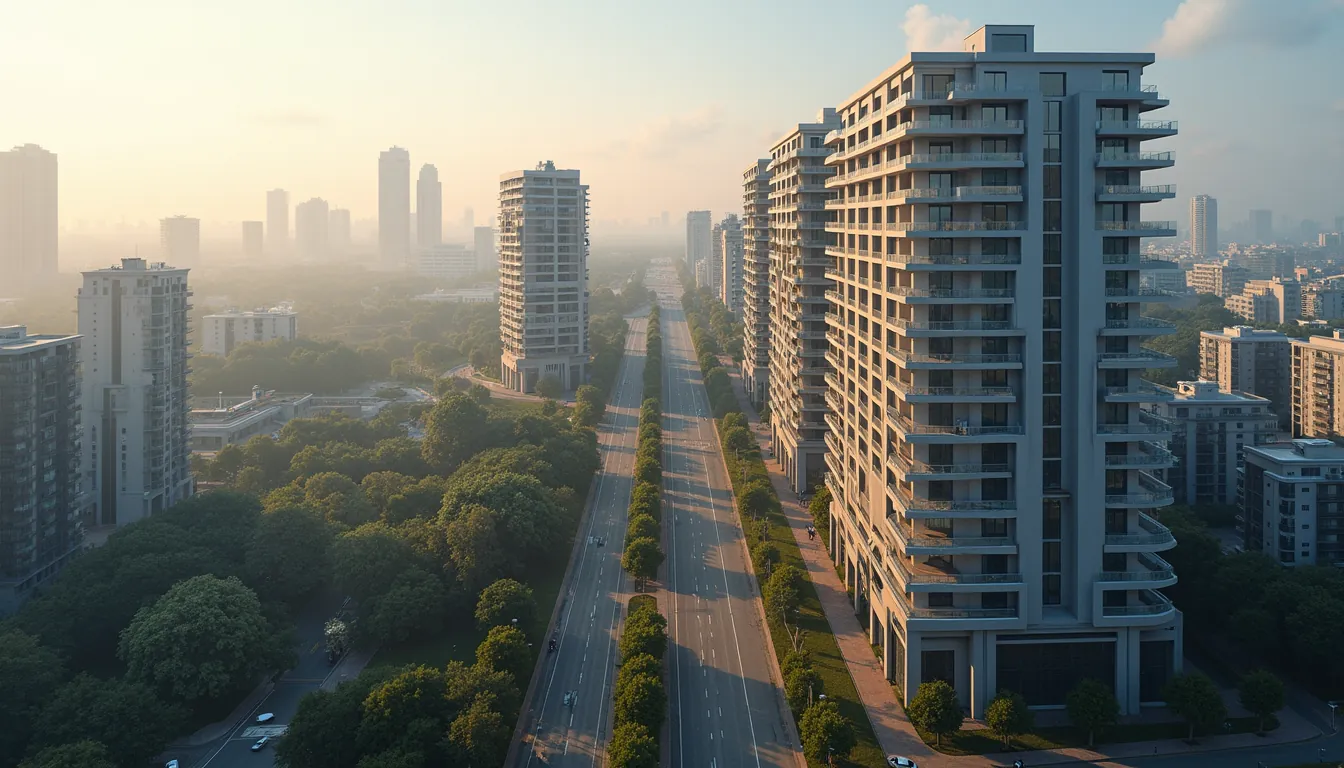
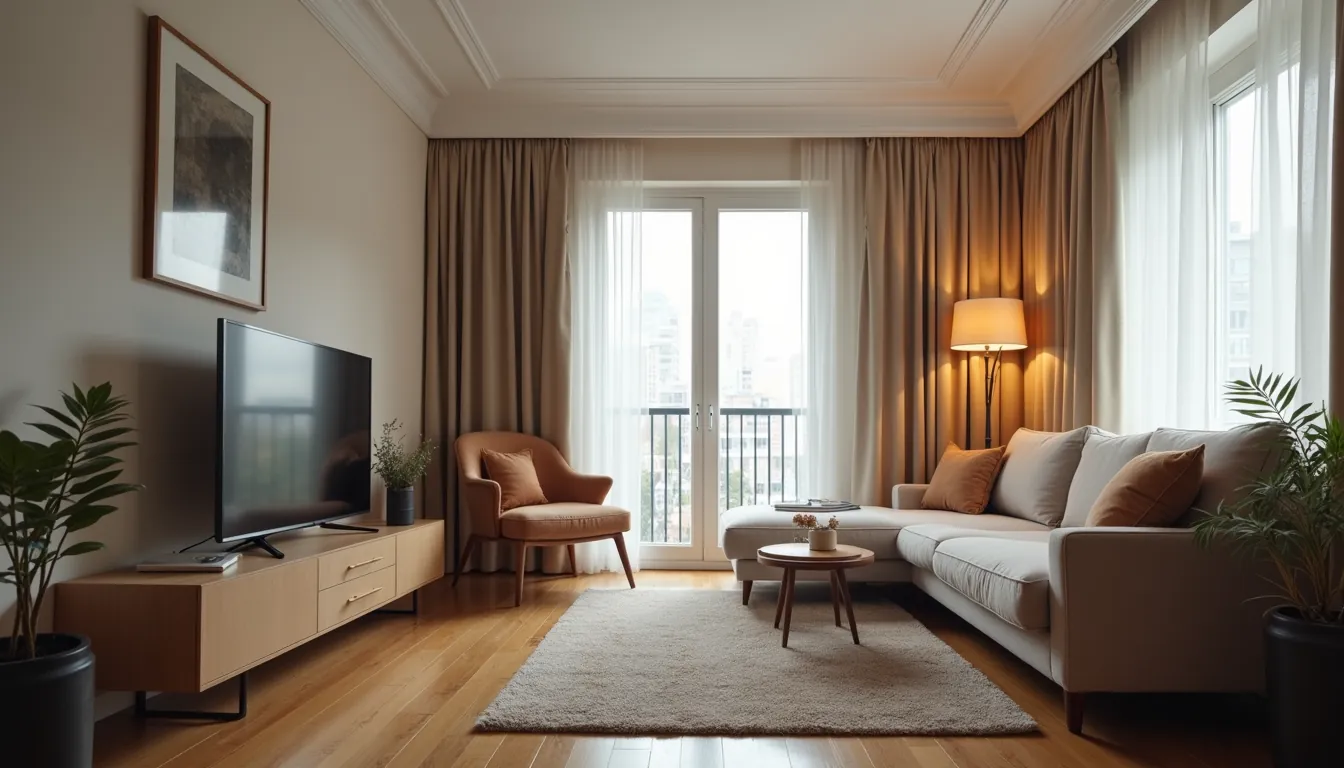
In a world increasingly shaped by environmental problems and scarce resources, developing sustainable living and working spaces is more important than ever. The way we design our living and working environments affects not only our personal comfort, but also the environment and society as a whole. In this post, we explore how to create sustainable spaces that are both functional and environmentally friendly.
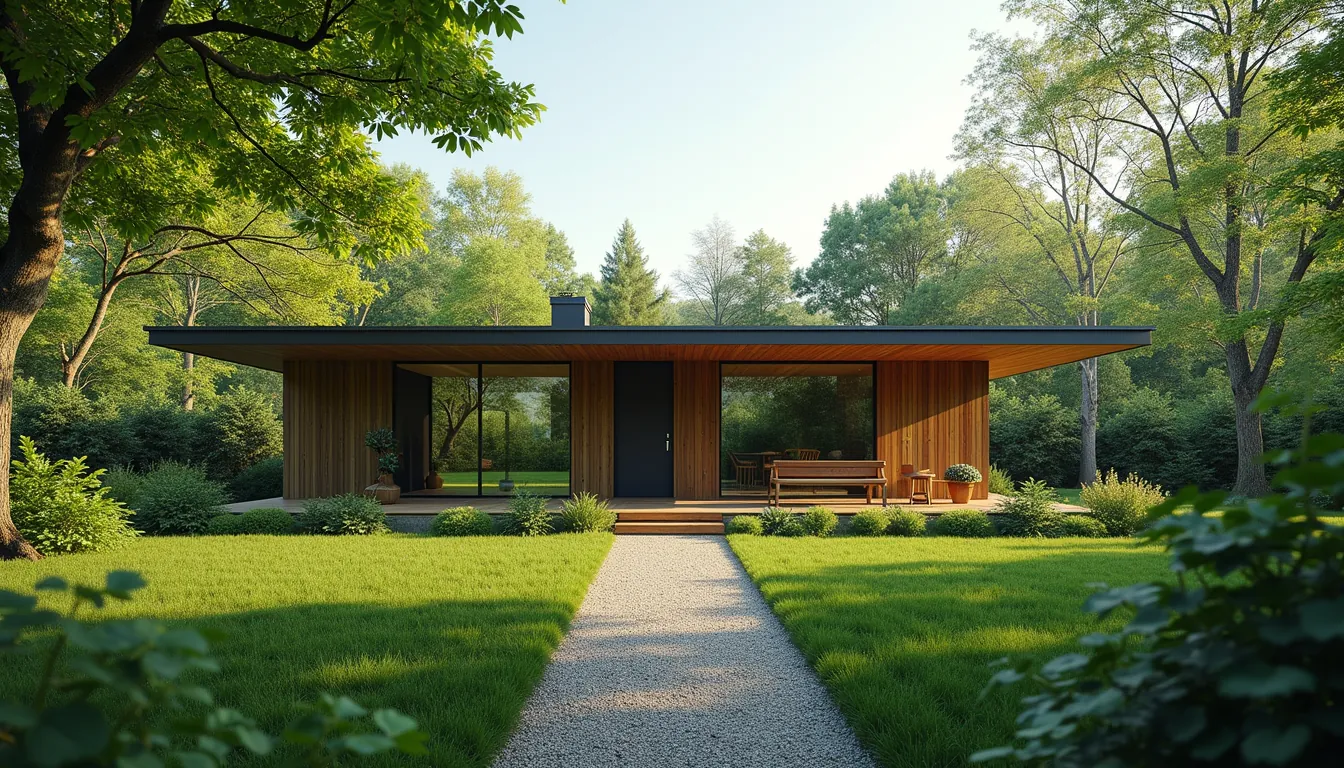
Why sustainable spaces matter
Sustainable living and working spaces are not just a trend, but a necessity. They help reduce our ecological footprint and improve quality of life. Here are some reasons why sustainable spaces are important:
- Environmental protection: By using eco-friendly materials and technologies, we can minimise resource consumption and reduce environmental impact.
- Health: Sustainable spaces promote a healthy indoor climate by using pollutant-free materials and ensuring good ventilation.
- Economy: In the long run, sustainable solutions can save money – through lower energy costs or through the increase in property value.
Materials for sustainable spaces
Choosing the right materials is crucial for creating sustainable living and working spaces. Here are some eco-friendly options:
Wood
Wood is a renewable raw material that is ideal for building furniture and buildings. Make sure to choose wood from sustainable forestry to ensure it is environmentally friendly.
Recycled materials
Using recycled materials, such as old bricks or glass, not only protects the environment but can also add unique aesthetic accents.
Natural stone
Natural stone is durable and needs little maintenance. It can be used for floors, walls and worktops and gives rooms a timeless character.
Improving energy efficiency
Another important aspect of sustainable spaces is energy efficiency. Here are some measures you can take:
Insulation
Good insulation is essential to minimise energy consumption. Invest in high-quality insulation materials to reduce heat loss.
Renewable energy
Using solar or wind power can not only lower energy costs but also significantly reduce CO2 emissions. Consider whether you can install solar panels on your roof.
Efficient appliances
When buying household appliances, pay attention to the energy efficiency class. Appliances with a high efficiency class use less electricity and protect the environment.
Designing sustainable interiors
Interior design plays a major role in creating sustainable living and working spaces. Here are some tips:
Natural lighting
Use daylight to reduce energy consumption. Large windows and open floor plans help make the most of natural light.
Plants
Plants not only improve air quality but also create a pleasant atmosphere. Think about which plants suit your rooms.
Multifunctional furniture
Furniture that serves several purposes can save space and reduce the need for additional pieces. Think of extendable tables or sofa beds.
The role of the community
Sustainability is not only an individual responsibility, but a shared one. Here are some ways communities can help create sustainable spaces:
Community gardens
Community gardens not only encourage growing food, but also strengthen social cohesion. They offer a space for encounters and the exchange of ideas.
Neighbourhood initiatives
Through local initiatives, neighbours can work together to improve their surroundings – from organising recycling drives to creating playgrounds.
Education and awareness
Education about sustainable practices is crucial. Workshops and information events can help raise awareness of sustainable lifestyles.
Conclusion
Developing sustainable living and working spaces is a challenge, but one that brings many benefits. By choosing eco-friendly materials, improving energy efficiency and designing healthy interiors, we can not only improve our own lifestyle but also have a positive impact on the environment and the community. Let’s work together towards a sustainable future in which we live in harmony with nature.
Remember that every small step counts. Start making your spaces more sustainable today, and inspire others to do the same.
Let’s plan something great together.
Book a meeting